About us
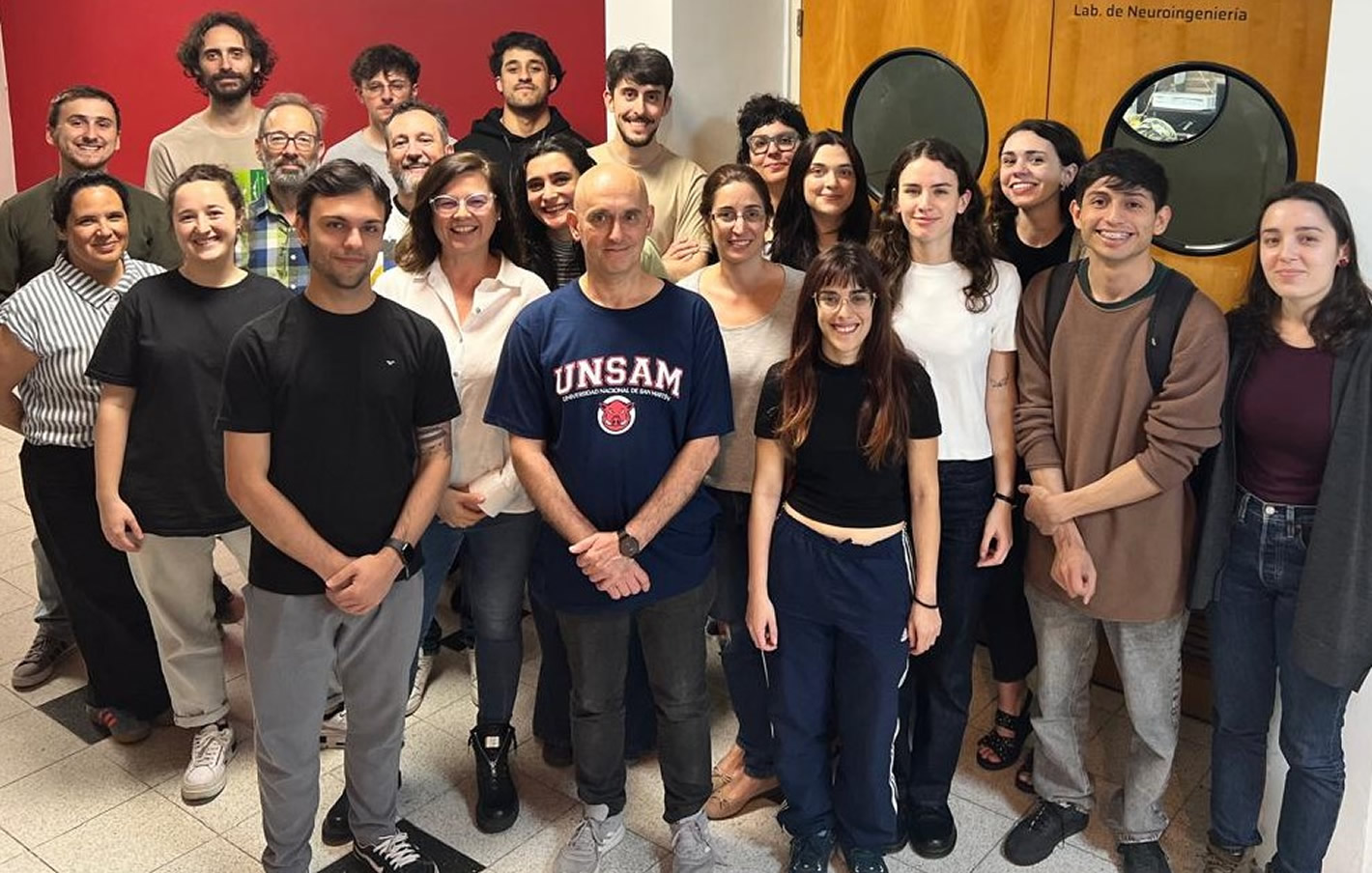
Daniela S. Andres
Medical doctor (UBA), Ph. D. in Exact Sciences (UNLP). Professor of Biomedical Engineering (ECyT - UNSAM).
Complex mathematics applied to research on physiological systems, neuroscience, quantitative diagnostics.


Gabriel D. Noel
Anthropologist (UNLP), Ph. D. in Social Sciences (UNGS). Professor of Anthropology and Sociology (EIDAES - UNSAM). Tenured researcher (CONICET).
Linguistics applied to neuroscience, interdisciplinary practice of anthropology.


María Soledad Córdoba
Dr. in Social Anthropology (UNSAM). Prof. of Anthropology (EIDAES - UNSAM).
Anthropology of science and technology with a focus on ethnographic research of technological transfer processes and the conditions of local scientific work.
Oscar Filevich
Biologist (UBA), Ph. D. in Chemistry (UBA). Professor of Data Science (ECyT - UNSAM).
Fundamental properties of neural systems, information processing, data science, photochemistry.
María Teresa Politi
Medical doctor (Cardiologist) (UBA), Doctor in Medicine (UBA). Postdoctoral fellow (ITECA - UNSAM / CONICET).
Clinical applications of cardiovascular mechanics, medical statistics.

Miguel Wilken
Medical doctor (Neurologist) (UBA). Coordinator of the Clinical Neurophysiology Service, M. D. practitioner at the Service of Abnormal Movements (FLENI).
Neurophysiology of movement disorders and motor system.
Gianfranco Bianchi
Biomedical engineer (UNSAM). Doctoral student (ECyT - UNSAM).
Hardware and software development for digital acquisition and processing of biomedical signals.
Federico Alscher
Biomedical engineer (UNSAM). Teacher of Data Science (ECyT- UNSAM)
Hardware design and development of AI-based solutions for acquisition and processing of biomedical signals.
Nahuel Martínez de Sucre
Biomedical engineer (UNSAM)
Development of medical products. Product design. Custom-made apps for acquisition and analysis of biomedical signals.
Maximiliano González Pazo
Biomedical engineer (UNSAM). Software architect.
Modeling and development of simulation and analysis tools for complex dynamics.
Students & collaborators
Cecilia Rocío Cruz Molina (graduation thesis in Social and cultural anthropology, EIDAES - UNSAM)
Delfina Espelet (ECyT - UNSAM)
Emma Luna Coso Kordon (graduation thesis in Social and cultural anthropology, EIDAES - UNSAM)
Facundo Ortega (Biomedical engineering student, ECyT - UNSAM)
Francisco Rosso (EIDAES - UNSAM)
Biom. Eng. Azul Giraud (UNSAM)
Ignacio Nicolás Bergara (Biomedical engineering student, ECyT - UNSAM)
Leonel Pastor (Biomedical engineering student, ECyT - UNSAM)
María Elisa Azcárate (Rehabilitation and Movement Institute - UNSAM)
María Otero (tesina en Antropología Social y Cultural, EIDAES - UNSAM)
María Sol Sayago (EIDAES - UNSAM)
Mariana Origone (UBA)
Pablo Genera (CAECE)
Trinidad Ibar Jalil (ECyT - UNSAM)
Violeta Merande (EIDAES - UNSAM)
Victoria Belén Molina (ECyT - UNSAM)
Alumni
Adrian Maximiliano Pérez (UNSAM)
Andrea Analía Cáceres (EIDAES-UNSAM)
Bch. Sc. Vasco Duarte da Costa (FHNW, Basel, Suiza)
Ing. Biomédica Camila Ureta (UNSAM)
Lic. Psicología Federico Castaño (Univ. Favaloro)
Federico Parra (UNSAM)
Ing. Biomédica Camila Ruiz (UNSAM)
Ing. Biomédico Federico Nanni (ITBA)
Ing. Biomédico Alejandro Torres Valencia (Universidad Tecnológica de Valencia, Colombia)
Ing. Biomédico Mariano Paladino (UNSAM)
Ing. Biomédico Sebastián Villafañe (UNSAM - Di Tella)
Ing. Biomédica Andrea Cerminati (UNSAM)
Ing. Biomédica Camila Reinaldo (UNSAM)
Gustavo Vinci (UNSAM)
Josefina Bompensieri (UNSAM)
Nahuel Giménez (UNSAM)
Nicolás Tentoni (UdeSA)
Pamela Pérez Escobar (UNSAM)
Rocío Abigail Lenzi (UNSAM)
Rocío Wegman (EIDAES - UNSAM)
Rodrigo Ruiz Menna (EIDAES - UNSAM)
Tomás Mendivil (UBA)
Research
Parkinson’s disease is diagnosed in a clinical fashion, basically relying in recognition of its typical motor symptoms: tremor, bradykinesia, rigidity and postural instability. The main scale currently in use is the Unified Parkinson's Disease Rating Scale (UPDRS), widely applied for diagnostics and follow-up and as the basis of most clinical studies. A clear disadvantage of scales of this kind stems from the highly specialized training required for their proper administration. This imposes a heavy restriction on patients without adequate access to the healthcare system, or that must resort to peripheral or less specialized centers. In this context, the use of technological tools is a viable alternative to the evaluation by a general practitioner. In consequence, we are working in the development of a system of technological tools based on wireless inertial sensors for quantitative assessment of the UPDRS III scale.
Keywords: Parkinson’s disease, Quantification of movement, Accelerometry, Quantitative diagnostics, Co-design
Team: Nahuel Martínez de Sucre, Cecilia Rocío Cruz Molina, Facundo Ortega, Miguel Wilken, Gianfranco Bianchi, Gabriel D. Noel, Daniela S. Andres.
Partners: Group on Abnormal Movements, under the direction of Marcelo Merello (MOVAN - Instituto FLENI).
 Youtube
Paper:
1- Wilken, Miguel; Andres, Daniela S.; Bianchi, Gianfranco; Hallet, Mark & Merello, Marcelo (2024). “Persistence of Basal Ganglia Oscillatory Activity During Tremor Attenuation by Movement in Parkinson's Disease Patients”, Movement Disorders, https://doi.org/10.1002/mds.29679
2- Bianchi, Gianfranco; Ameghino, Lucía; Tela, Marcela; Terroba, Cinthia C.; Rossi, Malco; Merello, Marcelo, & Andres, Daniela S. (2020). “New Tools for Quantitative Diagnosis of Parkinson’s Disease Based on Scale Invariance of Acceleration Signals”, Revista Argentina de Bioingeniería, 24(2), 46–51.
3- Reinaldo Camila; Bianchi Gianfranco; Wilken Miguel & Andres, Daniela S. (2020). “Accelerometry signals’ recording protocol and database for the quantitative diagnosis of Parkinson’s disease” Revista Argentina de Bioingeniería, 24(5), 67–76.
Fine motor skills can be influenced by a great number of neurological conditions, as well as by the normal process of aging. People who suffer these conditions find many obstacles in the undertaking of a wide gamut of everyday tasks, including sometimes the articulation of speech. Use of tactile displays is among the impaired tasks with a greater impact on the overall quality of life. Therefore, we work with persons affected with this impairment, in order to co-design an alternative solution for access and management of generic tactile displays. Thus, in close dialogue with end users and their caretakers and considering their varying restrictions on motion and the contexts in which the device will be used, we developed an assistive mechanical interface which enables access to ever-present ordinary tactile devices, with a positive impact in their quality of life.

Keywords: Ataxia, Fine motor skills, Assistive technology, Co-design.
Team: Ignacio Nicolás Bergara, Leonel Pastor, Emma Luna Coso Kordon, Gianfranco Bianchi, María Soledad Córdoba, Gabriel D. Noel, Daniela S. Andres, Mariana Origone, Pablo Genera, María Elisa Azcárate.
Partners: Asociación Civil de Ataxias Argentina (ATAR).
Paper:
1- Bergara, Ignacio N.; Pastor, Leonel; Coso Kordon, Emma L.; Bianchi, Gianfranco; Córdoba, María Soledad; Noel, Gabriel D.; Andrés, Daniela S. (2023) “Assistive Mechanical Interface for Tactile Displays for Persons with Diminished Fine Motor Skills”, Proceedings of the 24th Congress of Bioengineering, NY: Springer.
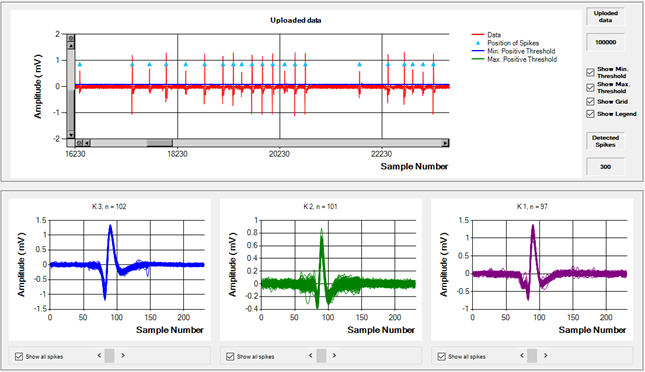
The activity known as “spike sorting” is a fundamental task in neuroscience, and a major basis for many neurophysiological studies. Even when several different solutions are available, the classification of action potentials generated by an unknown number of neurons is a problem not altogether solved. Furthermore, the relevance of the task lends poignancy to the search for new computationally-efficient algorithms. Thus, we developed a spike sorting algorithm that uses wavelet transforms in order to characterize action potentials and a genetic algorithm to classify them in an unknown number of groups. For validation we used microelectrode records acquired from stereotactic neurosurgery in rats. The executable program and the test data can be unloaded from the links below.
Software
Data
Validation script
Read me
Keywords: Actividad neuronal, Separación de señales, Análisis wavelet, Algoritmo genético
Team: Federico Alscher, Pamela Pérez Escobar, Rocío Abigail Lenzi, Sebastián Villafañe, Daniela S. Andres
Paper:
1- Wilken, M., Cruz, I., Villamil, F., Castillo-Torres, S.A., Alscher, F., Andres, D.S. and Merello, M. (2024), Neurophysiological Analysis of the Posterior Subthalamic Area in a Patient with Holmes' Tremor. Mov Disord, 39: 623-625.
2- Alscher, Federico; Lenzi, Rocío A.; Pérez Escobar, Pamela; Villafañe, Sebastián; Andres, Daniela S. (2023) “Algorithm and validation method for spike sorting based on wavelet analysis and a genetic algorithm”, Proceedings of the 24th Congress of Bioengineering, NY: Springer.
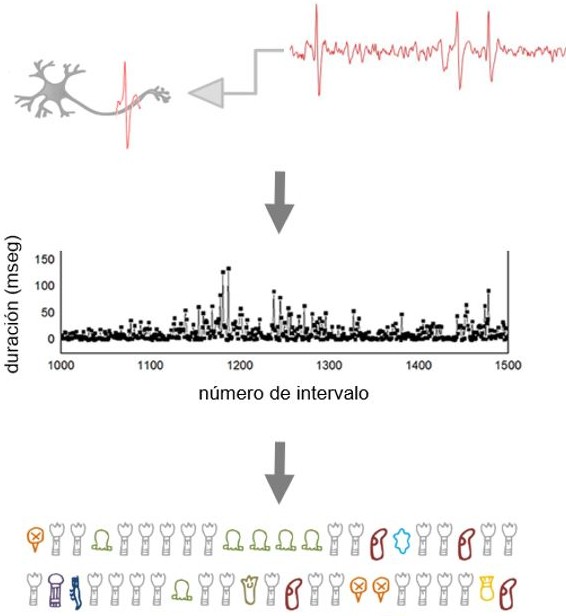
The term “neural code” has been frequently used in neuroscience to refer to the way in which neurons code and transmit information, further processed at the circuit, organic and systemic levels. The notion of code, however, has been almost always applied in an informal fashion and with poor conceptual precision, without resource to the developments of those disciplines specifically devoted to the analysis of codes and languages (such as linguistics and its derivatives). In order to address this oversight and in the framework of a research project in the confluence of the structuralist program in anthropology and that of contemporary neuroscience we proposed the application of linguistic and music models to the analysis of neuronal signals. Our analysis was based in two working hypotheses: first, the assumption that the neural code exhibits a high level of complexity, possibly comparable to that of spoken language (or music of the academic european tradition; second that any such code must be structured on the basis of several superimposed difference systems, each of them submitted to partially independent specific restrictions of differing level of systematicity and rigidity. Therefore, through a strategy of twin analysis involving the transcription of neuronal signals to linguistic and musical sequences, we intend to recover the original intuition of the structuralist agenda, updating its productivity and reactivating its potential.
Keywords: Neural code, Linguistics, Complex analysis, Temporal series, Structuralism
Team: Gabriel D. Noel, Daniela S. Andres
Partners: Lionel Mugno (Conservatorio de la Municipalidad de General San Martín “Alfredo Luis Schiuma”)
Paper:
1- Noel, Gabriel D. y Andres, Daniela S. (2024) “La Mirada Alejada Reivindicaciones, Reformulaciones y Reactualizaciones de la Obra de Claude Lévi-Strauss más allá de las Ciencias Sociales y Humanas”, El Pensamiento Salvaje de Claude Lévi-Strauss. Vigencia y Legado para la Antropología, Villa María: EDUVIM (en prensa)
2- Noel, Gabriel D., Mugno, Lionel and Andres, Daniela S. (2023) “From signals to music: a bottom-up approach to the structure of neuronal activity”, Frontiers in Systems Neuroscience, 17:1171, http://dx.doi.org/10.3389/fnsys.2023.1171984
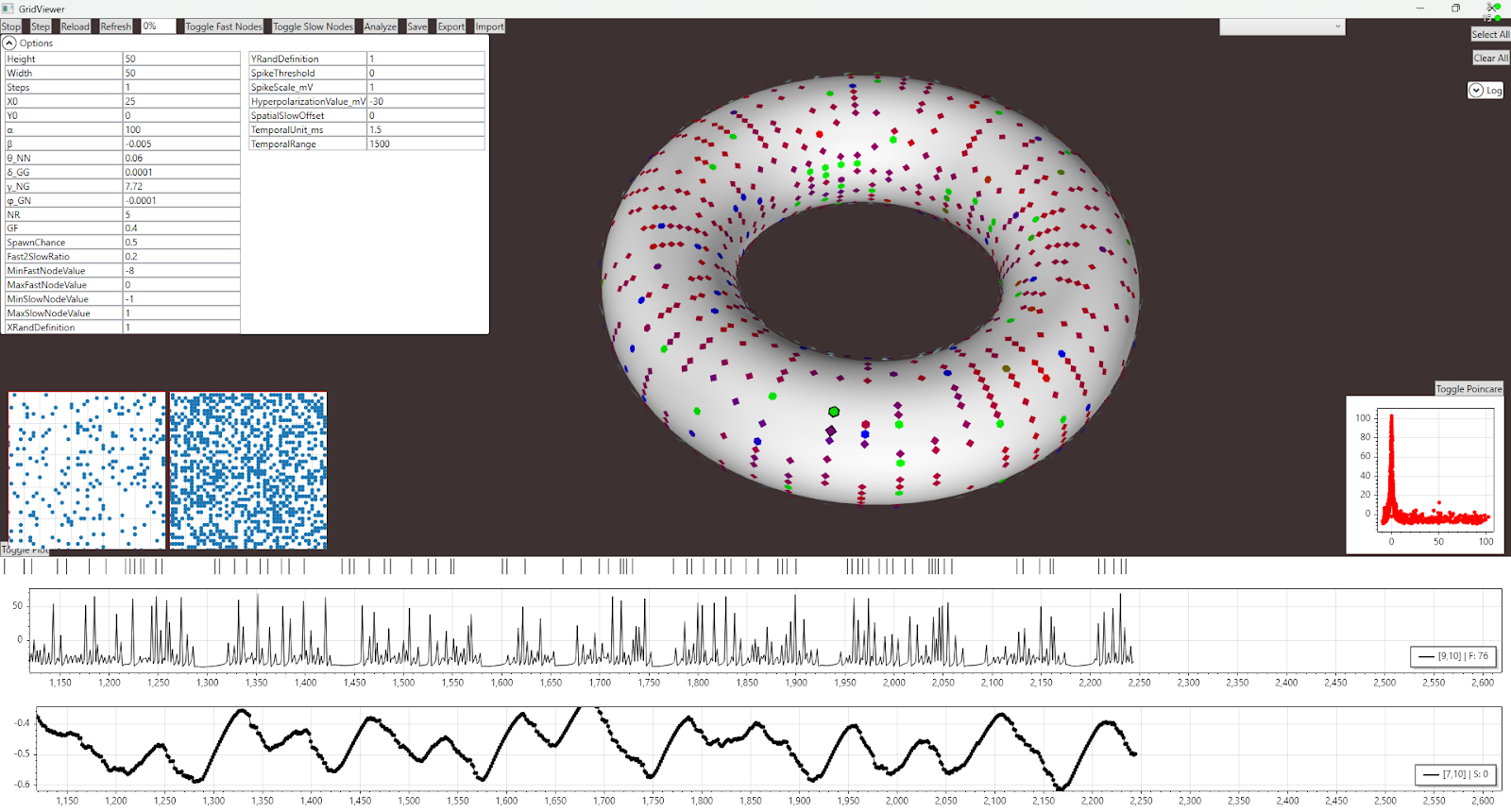
The definition of neuron, that is the set of characteristics that distinguish the neuronal cell in counterpoint to the glial cell or glia, has been a major question in neuroscience since the classical debates between Golgi and Ramón y Cajal. Even when in the classical description glial cells are considered without any capability for information transmission, this concept has recently been questioned due to the understanding that the glia is involved in active networks including not only glial cells but neurons as well. Furthermore, this discussion has been gaining new traction with the description of cerebral cell types with intermediate characteristics between that of neurons and glia. On this basis, we are working in middle-range computational models of neuron and glia in order to gain a better understanding of the workings of nervous tissue.
Simubrain is completely free software for the simulation, visualization and analysis of neuronal and glial activity in coupled networks. It offers resutls that are compatible with what is currently known about the functioning of the nervous system.
Keywords: Neuron models, Glia, Computational simulations, Nonlinear time series analysis
Team: Maximiliano González Pazo, Daniela S. Andres
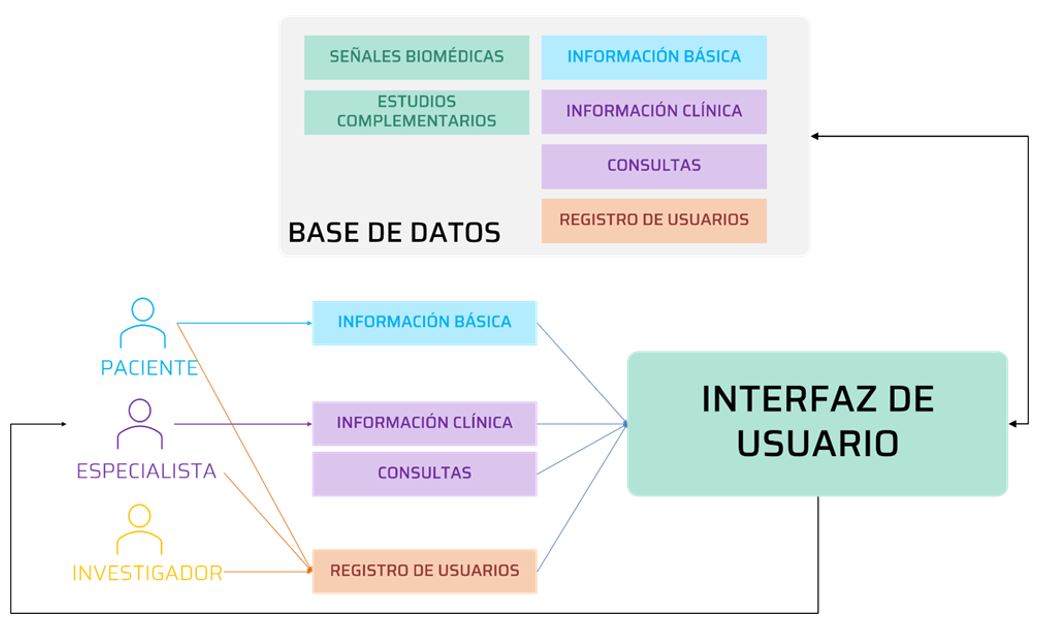
A point rarely taken into consideration regarding clinical data management involves its possible use for scientific research. Beyond the ethical questions related to the ownership and anonymization of personal data, research activities present particular challenges regarding data management, not only when they are heterogeneous and come from different sources but also when they are multicentric (that is, produced by different centers or institutions). To address these issues we designed an integral system for the management of clinical information and biomedical signals in order to deal with the great amount of data from those sources associated with the research projects of our lab. DataNing is a system that provides efficient access to information, facilitating analysis to collaborating researchers.
Keywords: Clinical information, Databases, Biomedical signals.
Team: Camila Reinaldo, Gianfranco Bianchi, Oscar Filevich, Daniela S. Andres
Paper:
1- Reinaldo, Camila; Bianchi, Gianfranco; Wilken, Miguel & Andres, Daniela S. (2020). “Accelerometry signals’ recording protocol and database for the quantitative diagnosis of Parkinson’s disease” Revista Argentina de Bioingeniería, 24(5), 67–76.
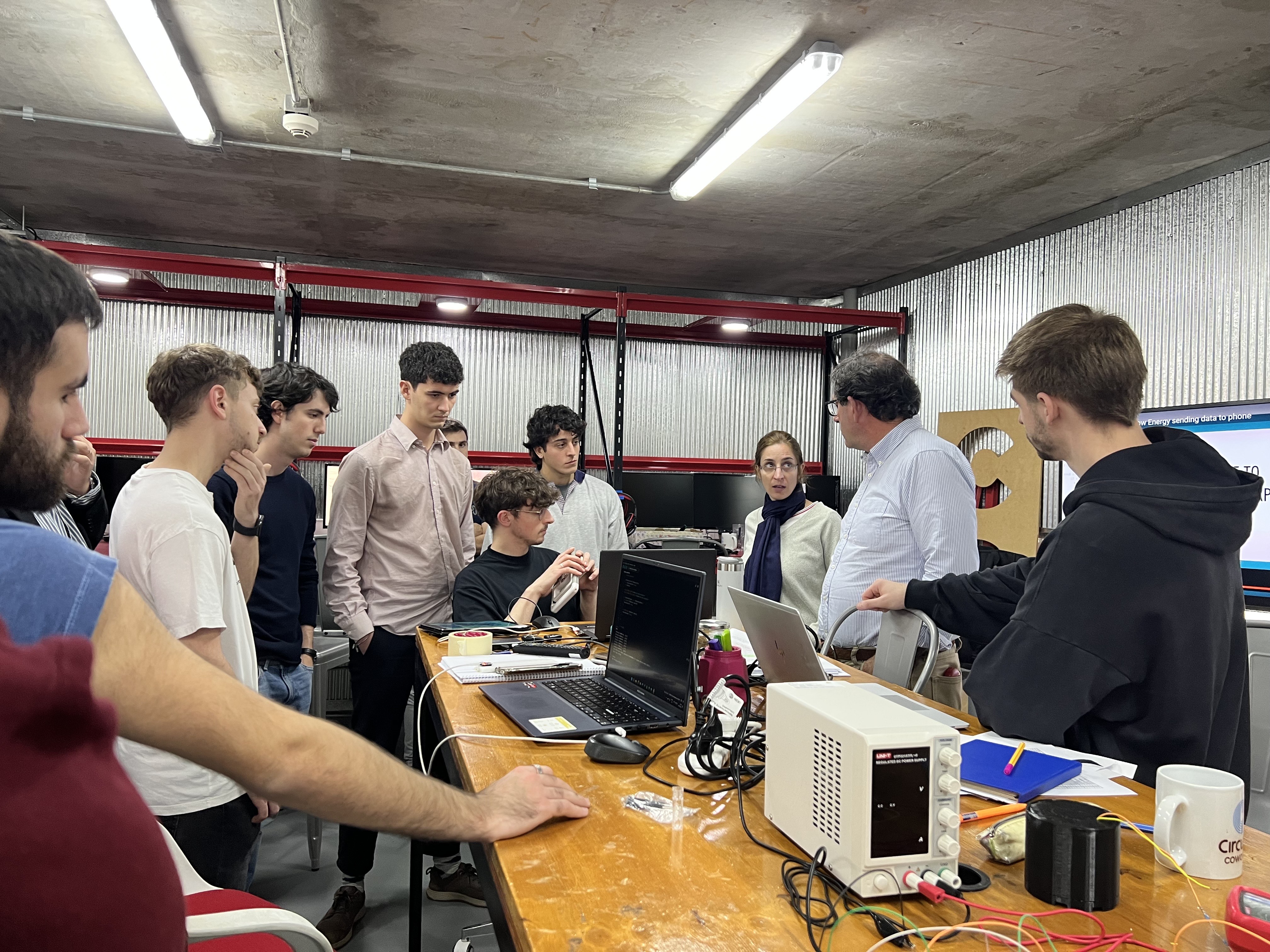
This line of work lies within the field of Social Studies of Science and Technology (STS) and is geared to an inquiry into the local scientific field, and more specifically on teams dealing with research of applied technologies. The goal is to understand in which ways the working team of a Neuroengineering lab conceives and undertakes processes of technological transfer as well as the mechanism deployed in order to further said objective. From an ethnographic approach, we analyze the meanings mobilized and the modalities of linkage established by the members of the Lab, in order to turn technological advances into products used by target communities.
Keywords: Anthropology of science and technology, STS Studies, Laboratory Ethnographies, Linkage and Technology Transfer.
Team: Rodrigo Ruiz Menna, María Soledad Córdoba, Francisco Rosso.
Paper:
1- Córdoba, M. Soledad y Azcurra Karen (2021) “Ciencia tomada. Estrategias frente al desfinanciamiento (2016-2019)”, en Ciencia, Tecnología y Política, Vol. 4, Nr. 7, pp. 67-76.
2- Hernández, Valeria y Córdoba, M. Soledad (2018) “Laboratorización del mundo: escenarios contemporáneos de la ciencia y la tecnología”, en Etnografías contemporáneas, vol. 4, nº 6, pp. 7-18.
3- Hernández, Valeria y Córdoba, M. Soledad (2018) “De la cancha al laboratorio. Trayectoria del investigador que logró clonar los mejores caballos de polo de la Argentina”, en Etnografías contemporáneas, vol. 4, nº 6, pp. 109-123.
4- Córdoba, M. Soledad; Buccellato, Marcos; Bilañski, Giselle; Smal, C.; Guzzo, Dante y Azcurra, Karen (2018) “Sobre mercancías, redes e imaginarios. Reflexiones a partir de un diálogo interdisciplinario en torno al quehacer científico local”, en Etnografías contemporáneas, vol. 4, nº 6, pp. 77-108.
Project Aire Fresco: Breathing Panorama is an artistic installation created based on an interactive experience that directly involves participants through the visualization of their breathing patterns. This is achieved through the imaging of a native forest that reflects the collective biodiversity of the inhabitants of LatinAmerica. This multidisciplinary project is in the crossroads of botanics, medical physiology, programming, technology and visual arts.

Keywords: Art, Fractal geometry, Native flora, Respiratory physiology.
Team: Federico Parra, Nahuel Giménez, Nicolás Tentoni, Teresa Politi, Gabriel Noel.
Partners: Hernán Pitto Bellochio y Escuela de Arte y Patrimonio (UNSAM).
Pediatric patients with complex medical conditions (CMC) face a meaningful risk of complications if indications from medical personnel are not thoroughly followed. This indications may include special care procedures, such as manipulation of tracheostomies, other ostomies, handling of nasogastric tubes and care of chirurgical wounds, among others. In this context, caretakers frequently confront considerable obstacles including elevated levels of stress, lack of confidence in their abilities and difficulties to remember or interpret written instructions. This situation is aggravated when combined with the emotional commitment involved in the patient’s care, influencing both the health of the patient as well as the psychological welfare of the caretakers. This project aims to develop and evaluate an app with Artificial Intelligence (AI) destined to the caretakers of pediatric patients with CMC, comparing its effectiveness with two other modes of assistance: traditional and an app without AI.

Keywords: congenital cardiopathies, complex medical Conditions, artificial intelligence, large language models, care, adherence, caretaker stress.
Team: Victoria Belén Molina, María Sol Sayago, María Otero, Maite Filmus, Gianfranco Bianchi, Teresa Politi, Gabriel D. Noel, Daniela S. Andrés, Mariana Origone, Pablo Genera, María Elisa Azcárate.
Partners: Hospital Garrahan and University of California Los Angeles (UCLA).
Several conditions with a neurological origin, including general communication disorders but also specific afflictions related with language and its articulation, prevent those persons affected by them to produce linguistic emissions in a competent fashion. Even when these people may interpret, understand and react properly to oral instructions, their incapability of responding in a similar way and of initiating conversational intercourse presents a hurdle to their capability of socializing, bringing a huge handicap to their quality of life. Furthermore, in the case of children, this kind of affliction also affects their normal social and affective development. In order to help these people we created BICOM, a customizable communicator based on easy to recognize images that its users can adapt and mobilize in order to complement or substitute natural language articulation. Images can be edited and created by the users themselves, from photos, videos, or images downloaded from the web. The app works through an AI engine in order to propose new content and expressions to the user, amplifying their communication possibilities. Moreover, it allows for free association of terms in multiple categories, either created by the user according to their need or proposed by the app itself, in order to extend the use of semantic networks.

Keywords: neurodevelopment, language disorders, artificial intelligence, large language models, digital communicator.
Team: Delfina Espelet, Violeta Merande, Gabriel D. Noel, Daniela S. Andrés, Mariana Origone, Pablo Genera, María Elisa Azcárate.
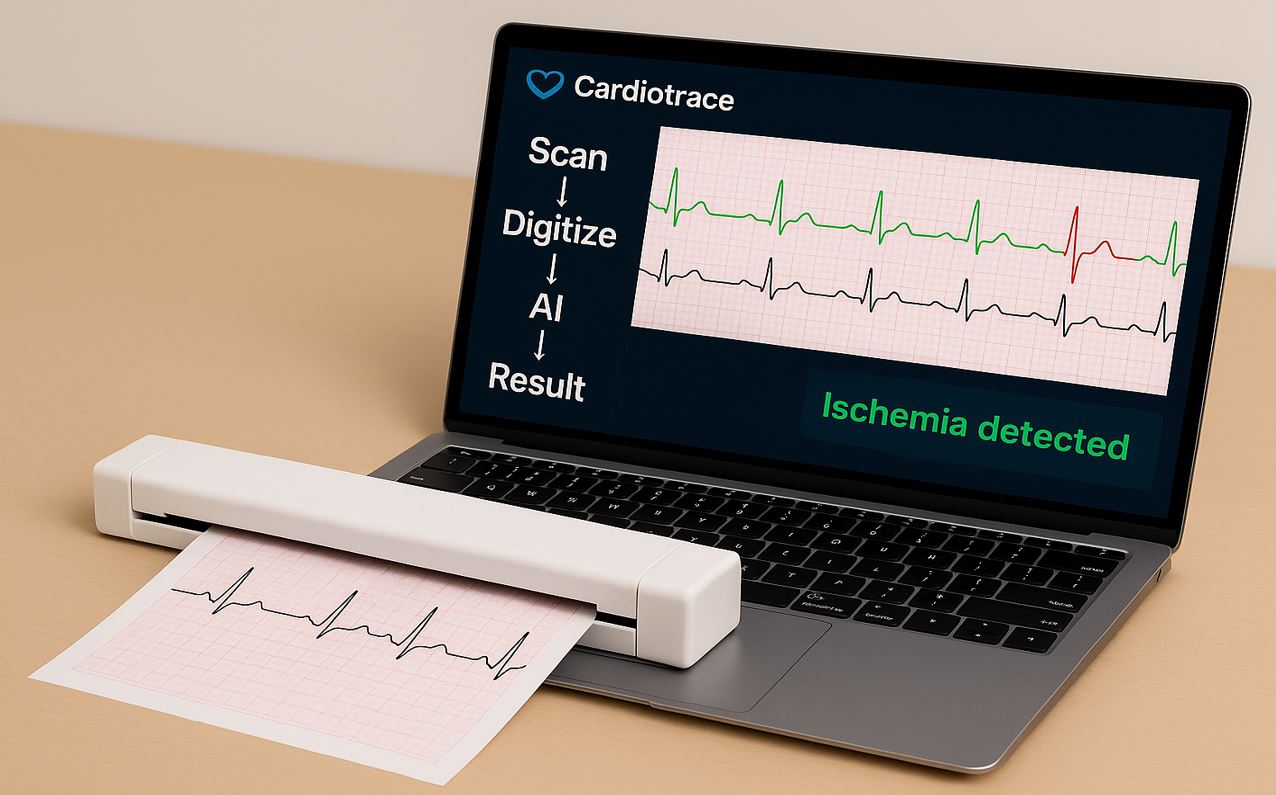
Even when the diagnosis of ischemia or acute myocardial infarction (AMI) relies on a battery of analyses in specialized centers, a single precordial channel of EKG allows for early detection of an undergoing ischemia. Using artificial intelligence tools, we designed a system that allows for automatic diagnostic through a mobile application of the risk of being undergoing AMI, for prompt derivation of patients in a life-threatening condition. As a proof-of-concept for the device, we have developed a neural network that recognized EKG signals with pathologies in the ST segment or T-wave, characteristic of AMI. Our algorithm detects the cardiac cycle and using a pattern-recognition neural network it detects the presence of AMI with 99% accuracy.
Keywords: Acute myocardial infarction , Artificial neural networks, Artificial Intelligence (AI), Life-threatening conditions.
Team: Federico Alscher, Rocío Wegman, Sol Sayago, Gianfranco Bianchi, Teresa Politi, Gabriel D. Noel, Sabrina S. Andrés
Partners: Instituto Cardiovascular Buenos Aires y Quanttrace.
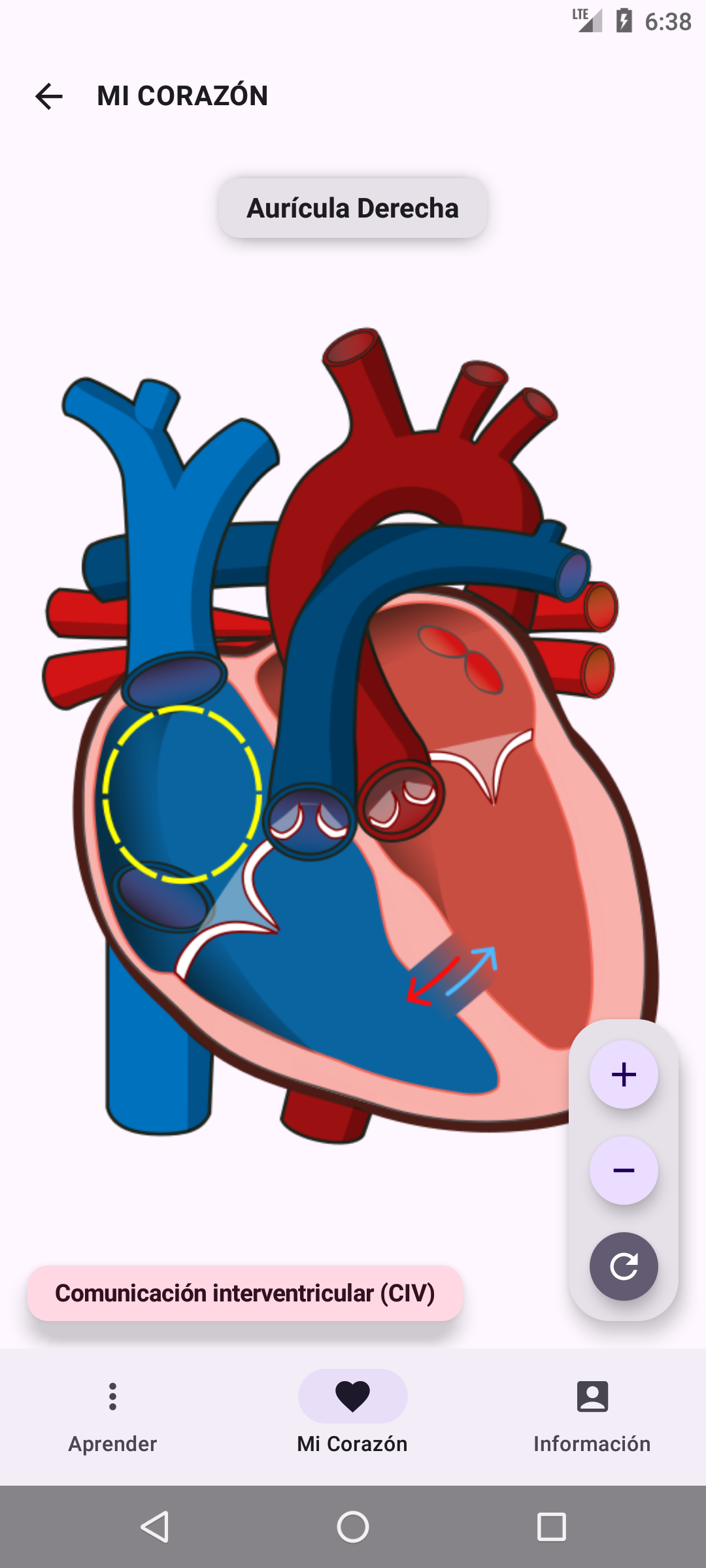
Congenital cardiopathies are complex pathologies characterized by the presence of anatomical anomalies of the heart at the moment of birth. Such anomalies are highly variable, both anatomically and physiologically. For this reason, even when they may be corrected through cardiovascular surgery, every procedure must be designed on a personalized basis by the medical and technical staff. In order to carry out the surgical planning, the professional team of the Service of Cardiovascular Surgery of Hospital Garrahan uses mathematical tools that allow calculation and prediction of hemodynamic variables such as resistance, flow and pressure, before and during surgery. The main goal of this project is to develop a mobile app that may allow for simulation, through simple equations of fluid mechanics, the hemodynamic conditions of the heart in physiological conditions and under complex cardiopathies.
Keywords: Congenital cardiopathies, Computational simulation, Poiseuille Law, Pediatric cardiovascular surgery.
Equipo: Teresa Politi, Rocío Wegman, Sol Sayago, Gabriel D. Noel, Sabrina S. Andrés, Mariana Origone, Pablo Genera, María Elisa Azcárate.
Aortic valve replacement is currently one of the most common cardiovascular interventions. Prosthetics valvular dysfunction is one of the most prevalent complication in the median and long term follow up. One of the hemodynamic factors linked to prosthetic valvular dysfunction is blood turbulence. In this line of work we aim to evaluate the presence of blood flow turbulence in the clinical and echocardiographic follow up of patients with aortic valve replacement. We additionally aim to analyze the relationship between blood turbulence and the presence of prosthetic valve dysfunction. Our working hypothesis is that blood flow turbulence contains valuable information regarding the hemodynamic conditions surrounding the prosthetic valve and may possibly be associated with prosthetic valve dysfunction.
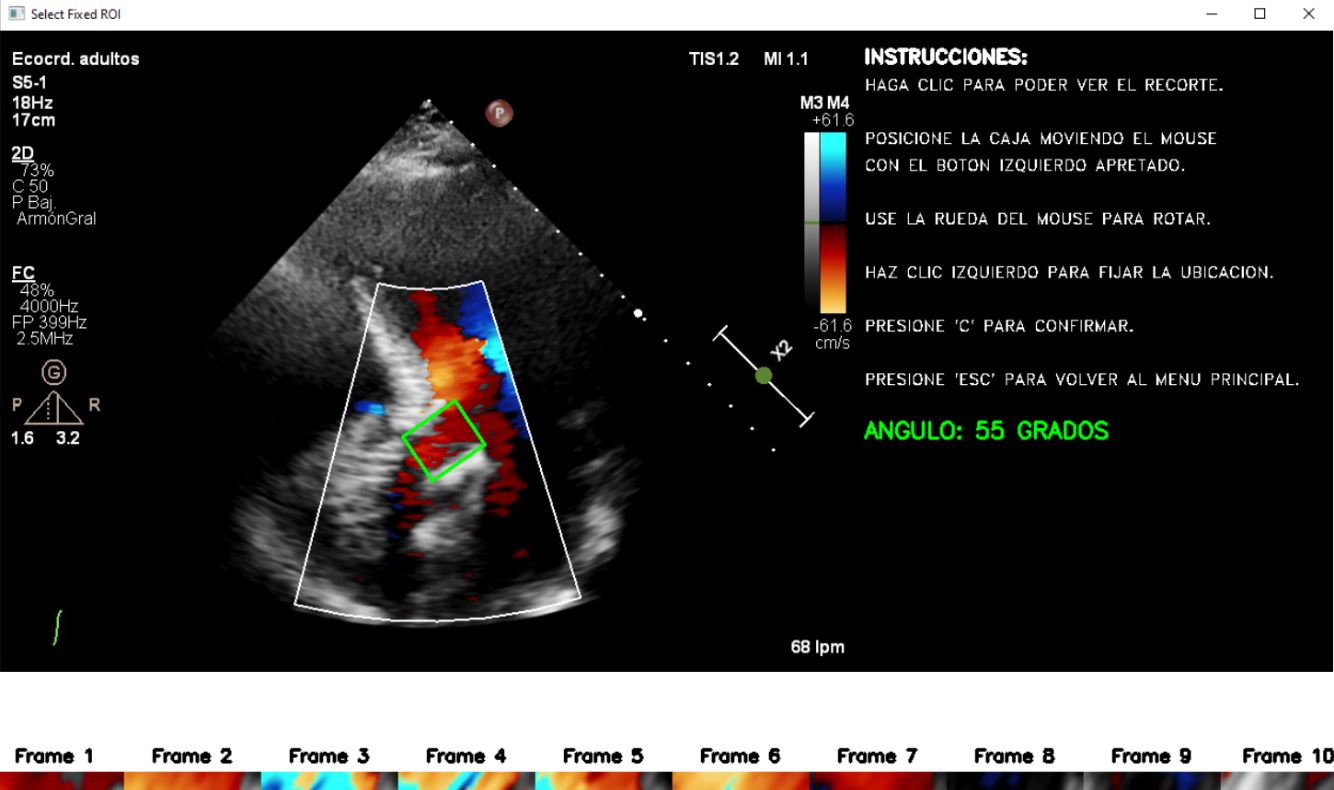
Keywords: Cardiac valves, Aortic stenosis, Valvular replacement, Turbulence, Doppler echocardiography.
Team: Azul Giraud, Tomás Mendivil, Teresa Politi, Daniela S. Andres
Partners: Cardiovascular Institute Buenos Aires (ICBA), British Hospital, Institut Jean Le Rond D’Alembert - Sorbonne Universités
Paper:
1- Cerminati, Andrea; Politi, M. Teresa; Andres, Daniela S. (2025) “Quantification of blood flow complexity from carotid doppler ultrasonography: perspectives for atherosclerotic risk”, Cardiology doi: 10.1159/000547437.
The Frank-Starling Law establishes the basis of the influence of the end-diastolic volume in the development of the contractile strength in the heart. This active tension-length phenomenon depends on the molecular elements of the muscular fiber which are responsible for these contractile properties. Even when they are of capital importance for cardiac physiology, the relationship between the molecular mechanisms of contraction of the muscle fiber and the cardiac contractility curve or active tension are still poorly understood. Even when mathematical models of chemical kinetics have been proposed in order to help understand the Frank-Starling mechanism, such models rely on a large number of equations, making both analytical treatment and numerical integration extremely difficult. To these ends we are working in chemical kinetics models leading to a better understanding of the fundamental properties of the molecular mechanisms underlying Frank-Starling Law, in order to facilitate their treatment and the development of potential clinical applications.
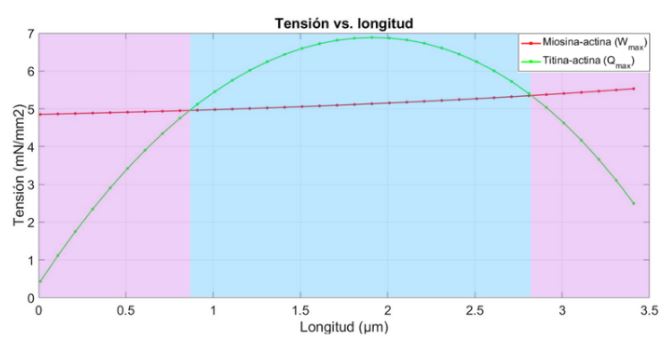
Keywords: Frank-Starling Law, Cardiac contractility, Molecular mechanisms of muscular contraction, Computational simulation, Chemical kinetics
Team: Camila Ureta, Teresa Politi, Daniela S. Andres.
Collaborations


Publications
- 1- A. Cerminati, M.T. Politi, D.S. Andres. Quantification of blood flow complexity from carotid doppler ultrasonography: perspectives for atherosclerotic risk. Cardiology doi: 10.1159/000547437, 2025.
- 2- Wilken, M., Cruz, I., Villamil, F., Castillo-Torres, S.A., Alscher, F., Andres, D.S. and Merello, M. Neurophysiological Analysis of the Posterior Subthalamic Area in a Patient with Holmes' Tremor. Mov Disord, 39: 623-625, 2024.
- 3- M. Wilken, D.S. Andres, G. Bianchi, M. Hallett, M. Merello. Persistence of Basal Ganglia oscillatory activity during tremor attenuation by movement in Parkinson’s disease patients. Movement Disorders Clinical Practice 0885-3185 doi:10.1002/mds.29679, 2024.
- 4- G.D. Noel, L. Mugno, D.S. Andres. From signals to music: a bottom-up approach to the structure of neuronal activity. Frontiers in Systems Neuroscience doi: 10.3389/fnsys.2023.1171984, 2023.
- 5- M. Wilken, I. Cruz, F. Villamil, F.A. Castillo-Torres, F. Alscher, D.S. Andres, M. Merello. Neurophysiological Analysis of the Posterior Subthalamic Area in a Patient with Holmes' Tremor. Movement Disorders Clinical Practice 0885-3185 doi: 10.1002/mds.29705, 2023.
- 6- Córdoba, María Soledad; Ferroni, Luana; Hurtado de Mendoza, María Sol; Azcurra, Karen; Smal, Clara; Munaretto, Pedro; Bilañski, Gisele A.; Diez, Michay y Mariana Smulski (2022), “Atravesar el ‘valle’ entre el laboratorio y la sociedad: Experiencias de transferencia científico-tecnológica en Argentina durante la pandemia por COVID-19”, en Ucronías, Nr 5, pp. 85-111.
- 7- D.S. Andres On the motion of spikes: turbulent-like neuronal activity in the human basal ganglia. Frontiers in Human Neuroscience doi: 10.3389/fnhum.2018.00429, 2018.
- 8- D.S. Andres, F. Gomez, F.S. Ferrari, D.F. Cerquetti, M. Merello, R. Viana, R. Stoop. Multiple-time-scale framework for understanding the progression of Parkinson's disease. Physical Review E 90:062709, 2014.
- 9- D.S. Andres, D.F. Cerquetti, M. Merello. Turbulence in Globus pallidum neurons in patients with Parkinson's disease: Exponential decay of the power spectrum. Journal of Neuroscience Methods 197(1): 14-20, 2011
Media





Contact
Get in contact with us